Understand the use cases
Identify the users, the problems to solve and the priority user journeys.
Our service
IT project scoping turns your intent into a deliverable scope: use cases, business rules, integrations and acceptance criteria. It prepares a delivery that we can then estimate, build and put into production, whether it is business software, a SaaS product or an AI solution.
Teams behind a new product, a rebuild, or a data or AI project, before estimation or development
Functional scope, requirements specification, assumptions and acceptance criteria
MVP scoping, full product scoping, or rebuild or migration scoping
A basis to estimate and deliver, with Etixio or another provider
What we deliver
Scoping turns a request into delivery decisions. It is useful for a new product as well as for a major change: who uses the software, which problem it addresses, which rules apply and which systems need to exchange data. It avoids estimating a mere list of screens without knowing how they behave.
Identify the users, the problems to solve and the priority user journeys.
Formalize the features, the technical constraints and the dependencies on the existing system.
Compare options, rank priorities and set out a delivery path.
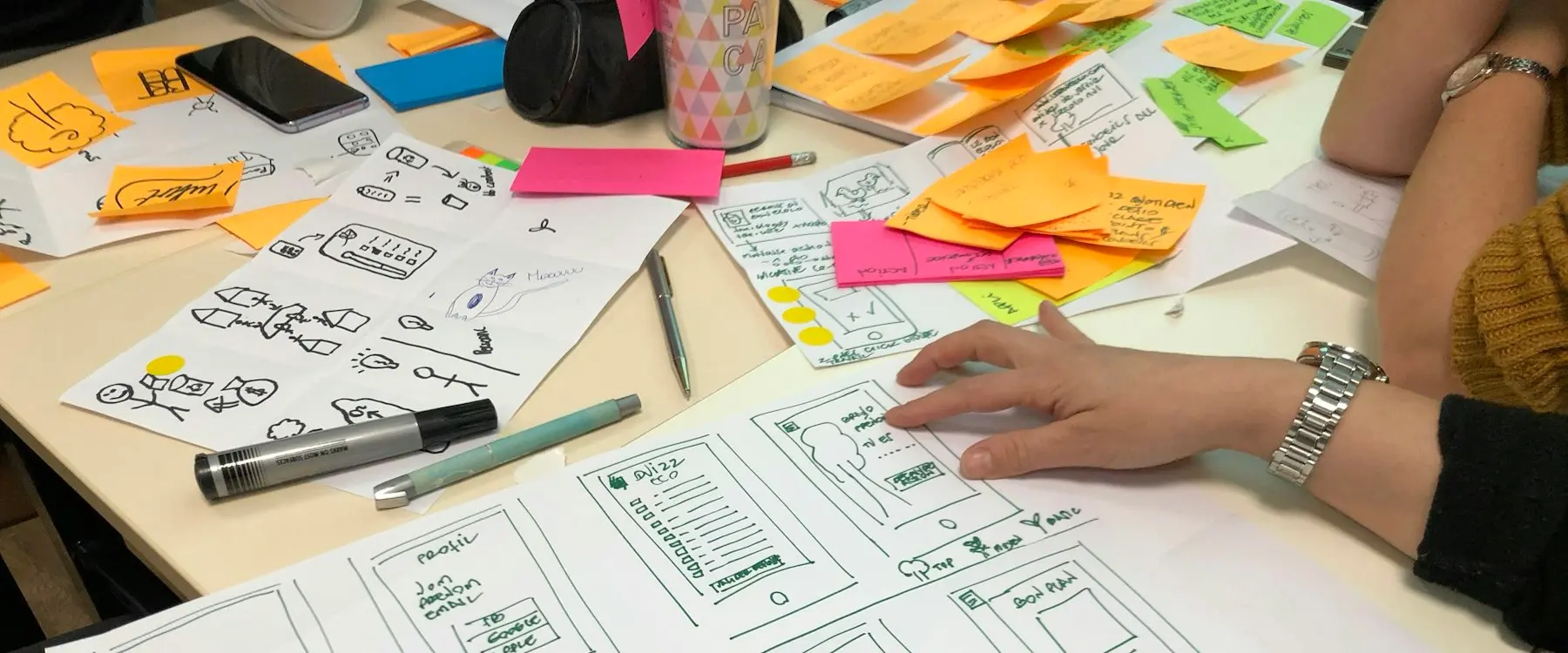
Why scope
The problem addressed, the expected value and the success metrics are set before the first line of code.
What goes into the first version and what stays out is explicit, which limits scope creep during the project.
Leadership, business, IT and users share the same understanding of the need and the trade-offs.
A scope described with its rules and integrations makes it possible to estimate budget and timeline on solid ground.
Misunderstandings, delays and costly rework are dealt with upfront, when they cost the least.
What it is for
Functional and technical requirements for a new product, aligned with your objectives. A custom MVP often starts with a short scoping phase.
Performance, security, maintainability and scalability of a legacy application, often after a technical audit.
Extranet or intranet, with its access, data flows and use cases.
Sources, KPI definitions and architecture for reliable dashboards.
Migration, security and operations taken into account from the design stage.
Use cases, available data, expected quality level and the conditions for putting an assistant, an agent or an AI feature into production.
What scoping covers
Problem to solve, expected value and success metrics.
What is in and out of scope, priorities (must-have, should-have, nice-to-have) and acceptance criteria.
Profiles, roles, permissions and detailed user journeys.
Screens, business rules, data, validations, user stories and a prioritized backlog.
Security, performance, availability and GDPR.
High-level target architecture, data exchanges with the ERP, the CRM, single sign-on and APIs.
Working assumptions, identified risks and project dependencies.
High-level schedule, milestones and an incremental delivery strategy, first version then iterations.
Scoping and AI
An AI project raises questions that traditional scoping does not always cover: which data the model can access, with which rights, what quality level is acceptable and how to measure it, what happens when the answer is wrong, and how much real-world usage costs. We address them during scoping, with concrete examples and evaluation criteria, so the project does not stall at the prototype stage.
If a POC already exists, scoping starts from what it has demonstrated and what it lacks to run in production. See our enterprise AI solutions.
From work to deliverables
We work from interviews, user journeys and concrete examples. Features are described with their acceptance criteria and dependencies. Mockups or diagrams are used to remove ambiguity. We then separate the first scope, the options and the topics to explore further before estimation or development.
Discussions with business and IT stakeholders to understand the stakes, pain points and constraints.
Separate what creates value now from what can wait.
Discussions become structured specifications, with no gray areas.
Review with stakeholders and sign-off on the initial scope.
A basis to budget, plan and start development, with Etixio or another provider.
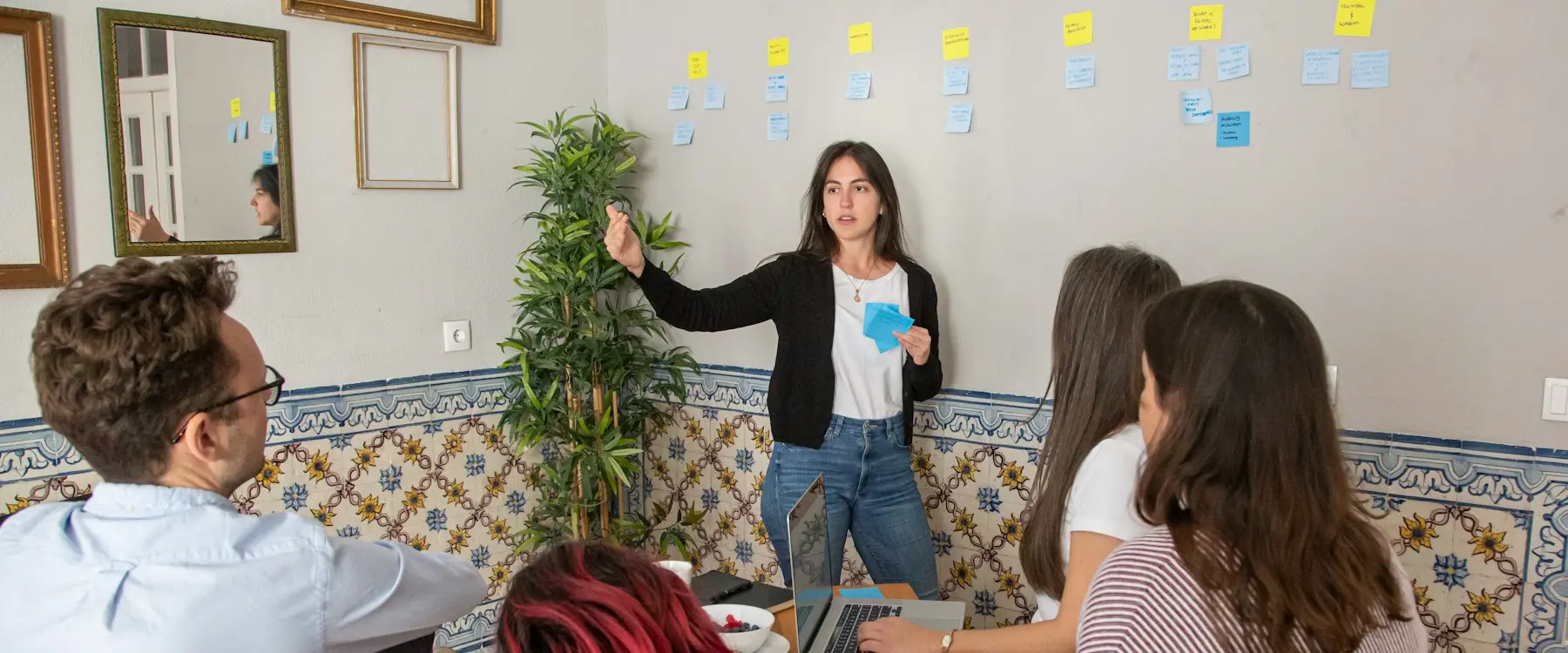
Scoping formats
A deliberately narrow scope, priority user stories, a short schedule and defined success criteria.
Breakdown into modules, delivery phases, dependencies and a more detailed functional architecture to structure a roadmap.
Analysis of the existing system, migration strategy, risks and a gradual cutover plan.
The choices that matter
A requirements document does not need to lock down every detail to be usable. It must make explicit the decisions that commit the budget and the architecture. Assumptions, exclusions and sign-off responsibilities remain visible, so that a change in requirements is handled as a shared trade-off.
Scoping directly prepares an IT project estimate and, once the scope is stable, delivery as a fixed-price IT project.
How we work together
You can walk us through how things work today, the users involved and the difficulties you face. The documents, examples and access required are specified afterwards, depending on the agreed scope. The first goal is to understand the work to be done and the dependencies that may affect how it unfolds.
Frequently asked questions
Scoping is the upstream phase that structures decisions (vision, objectives, scope, priorities). The requirements document is one of its deliverables, formalizing those decisions for teams and providers. The backlog is the prioritized list of user stories used during delivery. Scoping structures the decision, the requirements document formalizes it, the backlog drives delivery.
Yes. Scoping sets a clear framework (objectives, scope, priorities) without locking down every specification. Details are refined through the backlog and iterations, which preserves flexibility.
Yes, that is one of its goals. By structuring objectives, scope and constraints, scoping makes it possible to estimate budget and timelines more precisely. In an agile context, this estimate remains open to change and is refined as the project progresses.
Through clarification workshops, identifying the stakes and defining working assumptions. The goal is to build an initial vision, a minimal scope and priorities, without locking down all features too early.
As soon as the objectives are identified and a structuring decision needs to be made, before an estimate, a request for proposals, a budget commitment or the start of development. Scoping early avoids misunderstandings and sets a realistic scope.
No. Its format and level of detail adapt to the project. Even for a modest project, it clarifies expectations, reduces risks and makes communication between stakeholders easier.
By starting from concrete use cases and real examples, then specifying the data the model can access, the access rights, the expected quality level and how to measure it, the behavior in case of error and the operating cost. These elements determine whether the project moves from prototype to production.
Yes, if you wish. Scoping serves as the basis for a fixed-price delivery or for a dedicated team. It remains usable by your internal teams or by another provider.
Tell us what you want to build, who the users are and what your technical environment looks like. Together, we will define the scope of the scoping phase.